Can You Get Pregnant on "Safe Days"?
Reading time:
7 min
Are There Safe Days in Your Menstrual Cycle?

"Safe days" — also known as the calendar method — refers to the days in the menstrual cycle when the chances of pregnancy are considered lowest, typically the days furthest from ovulation.
In practice, no day in the menstrual cycle carries zero risk of pregnancy. Ovulation timing shifts from cycle to cycle, sperm survive inside the reproductive tract for up to five days, and cycles vary significantly between women. The idea that sex on certain days carries no risk is a myth — and one that leads to a significant number of unintended pregnancies.
Key Things to Know About "Safe Days"
There are no days in the menstrual cycle when pregnancy is completely impossible
Sperm can survive inside the reproductive tract for up to five days after sex
Ovulation timing shifts from cycle to cycle — even in women with regular periods
Cycles range from 21 to 35 days; the assumption that ovulation always falls on day 14 is incorrect
Cycle tracking is a valuable health tool, but is not a reliable standalone contraception method
The only exception: women who are fully menopausal
Where Did the Idea of Safe Days Come From?
The "safe days" concept is based on the assumption that ovulation is fixed and predictable — typically placed at day 14 of a 28-day cycle. If ovulation is the only fertile moment, the logic goes, avoiding sex around that window should prevent pregnancy.
The problem is that both assumptions are wrong.
Why Ovulation Is Not Fixed
Ovulation timing varies from cycle to cycle in the same woman. Stress, illness, significant changes in weight or sleep, and hormonal fluctuations can all shift when the egg is released — sometimes by several days.
A woman who ovulates on day 14 in one cycle may ovulate on day 11 or day 17 in the next, without any noticeable symptoms.
Why the 28-Day Cycle Is Not Universal
A normal menstrual cycle ranges from 21 to 35 days. Ovulation does not always fall at the midpoint.
In a 21-day cycle, ovulation may occur as early as day 7. In a 35-day cycle, it may not occur until day 21.
Using a calendar based on past cycles to predict future ovulation introduces compounding error with every cycle that deviates from the pattern.
Why "Safe Days" Do Not Exist: The Biology
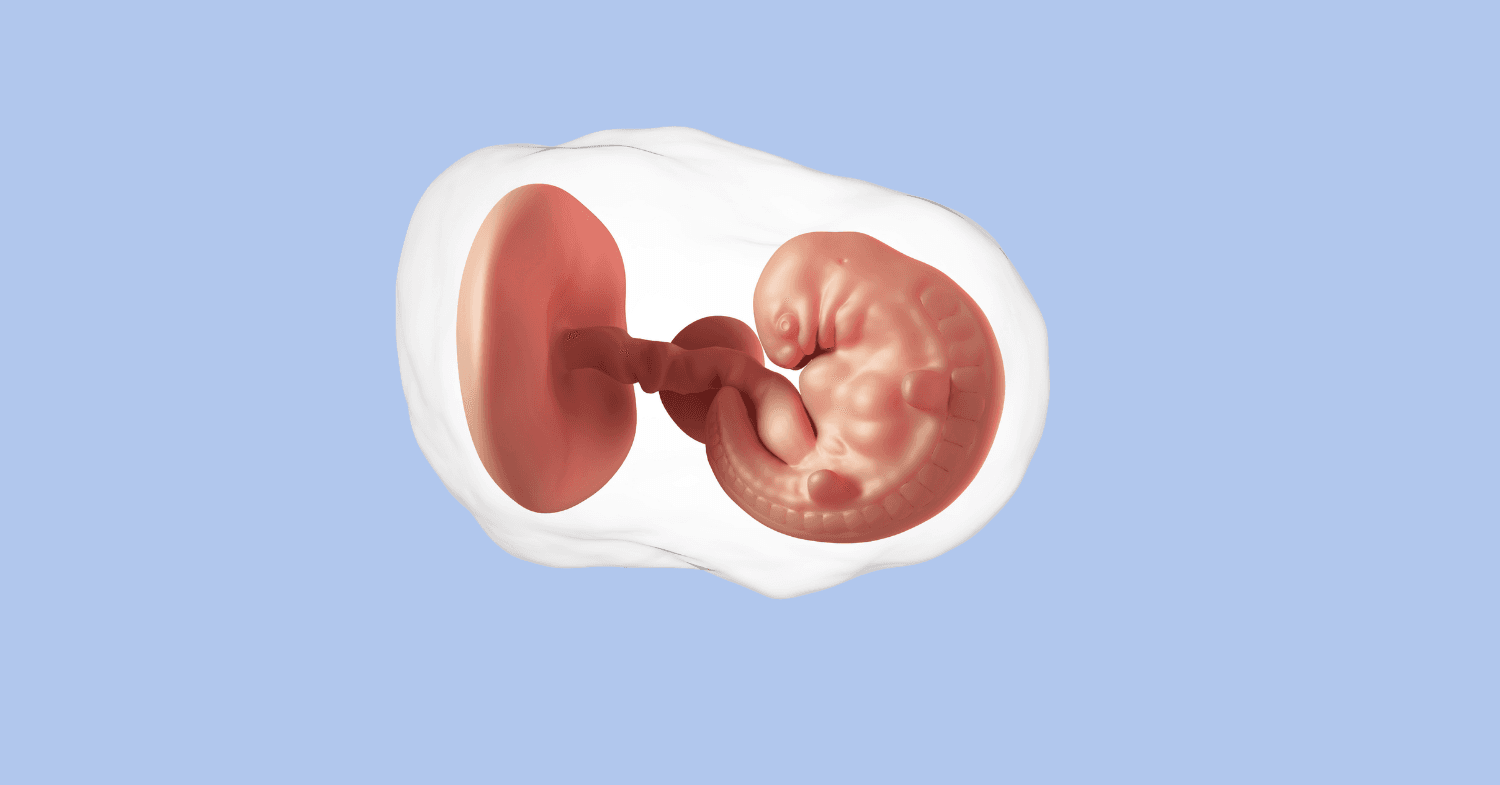
Sperm Survival
Sperm can survive in the reproductive tract for up to five days after sex.
This means that even if sex occurs several days before ovulation, live sperm may still be present when the egg is released. The fertile window therefore extends well before the day of ovulation itself.
The Egg's Viable Window
Once released, an egg is viable for approximately 12 to 24 hours. Combined with sperm survival, this creates a fertile window of roughly six days per cycle — the five days before ovulation plus ovulation day itself.
Low-Fertility Days Still Carry Risk
There is no point in the menstrual cycle, outside of full menopause, when the probability of conception is entirely zero. Pregnancy during menstruation, while uncommon, is documented — most often in women with short cycles whose ovulation occurs earlier than expected.
Is Cycle Tracking Useful at All?
Yes — but for a different purpose.
Tracking your cycle is valuable for understanding your hormonal health, identifying patterns, managing PMS, and recognising signs of conditions such as PCOS or thyroid dysfunction. Used this way, it is one of the most informative things you can do for your health.
As a standalone contraception method, however, it carries meaningful failure rates even when used carefully.
More Precise Fertility Awareness Methods
For women who want to understand their fertile window with greater accuracy — whether to conceive or to be informed — the following methods provide more reliable data than the calendar alone:
Cervical mucus monitoring: discharge becomes clear, stretchy, and slippery around ovulation
Ovulation predictor kits (OPKs): detect the LH hormone surge that precedes ovulation by 24–48 hours
Basal body temperature (BBT): a consistent rise of 0.2–0.5°C confirms ovulation has occurred — note that BBT shows ovulation after the fact, and is affected by disturbed sleep, illness, alcohol, and medications; international fertility guidelines do not recommend it as a standalone method for timing conception
Folliculometry: ultrasound monitoring of follicle development, the clinical gold standard for confirming ovulation; requires clinic visits
Even combining these methods does not eliminate pregnancy risk. If preventing pregnancy is the goal, using a reliable contraception method — condoms, hormonal contraception, an IUD — remains necessary.
When to See a Doctor
Speak with a healthcare provider if you are:
Relying on cycle tracking as your primary contraception and want to discuss more reliable options
Trying to conceive and want to identify your fertile window accurately
Noticing irregular cycles, absent periods, or no clear signs of ovulation
A Note on Menopause
The only point at which pregnancy becomes impossible without contraception is after full menopause — defined as twelve consecutive months without a period. Until that point, ovulation can occur unpredictably, including during perimenopause.
The Eshe Cycle Calendar helps you log your cycle, track symptoms, and understand your hormonal patterns over time — giving you and your doctor a clearer picture of your reproductive health.

Your Health Journey
Understand your body better with Eshe.
More Posts
You Might Also Like


© 2026 FEM HEALTH LIFE LTD. All rights reserved.